Could robotaxi design stop passengers from having sex inside driverless cars?
Robotaxis can feel private without a driver, but cameras, interior design and AI monitoring may help discourage sexual activity and inappropriate behavior inside autonomous vehicles.
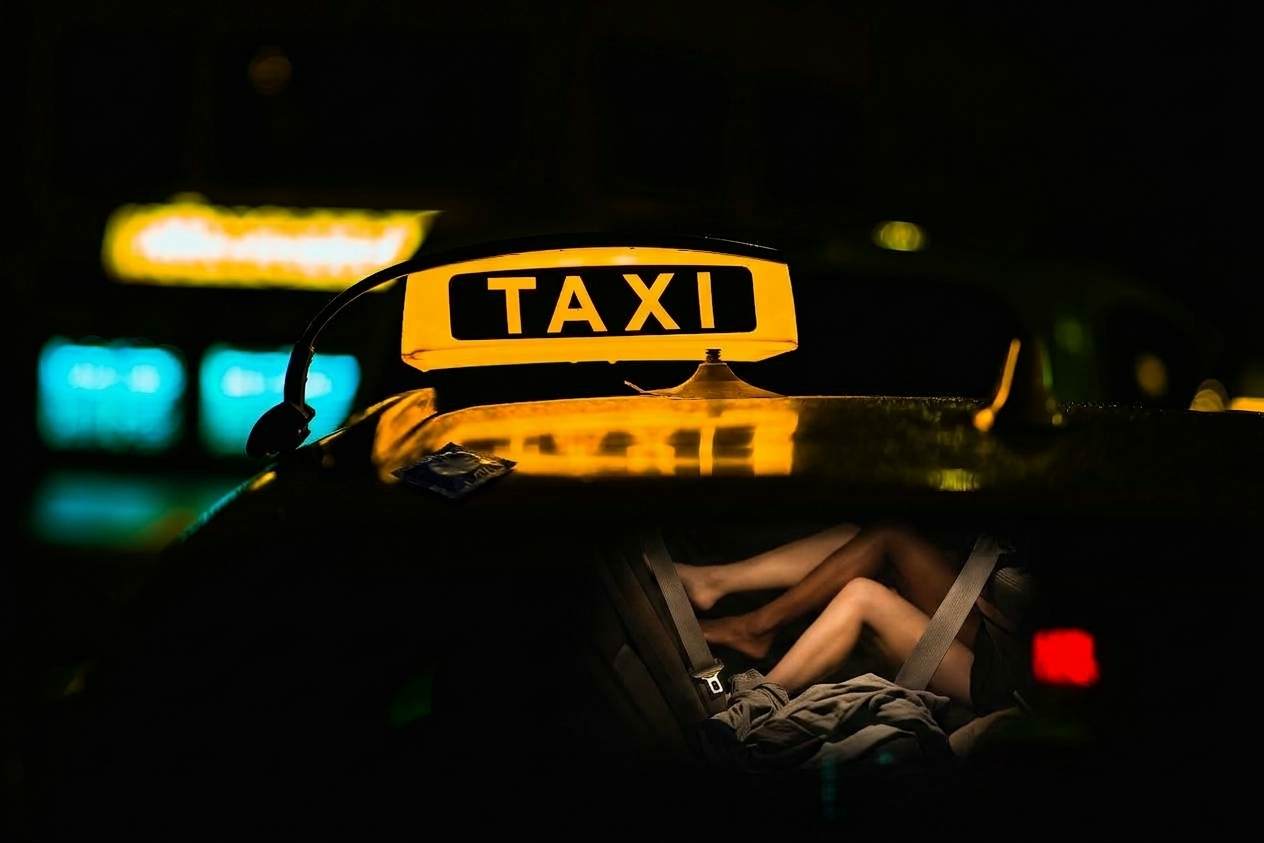
Robotaxis are designed to remove the human driver from the ride, giving passengers a level of privacy that traditional taxis and ride-hailing services cannot offer. But that sense of privacy has also created an unusual question for autonomous-vehicle designers: can the design of a driverless car discourage passengers from engaging in sexual activity?
Reports from San Francisco suggest that some passengers have used robotaxis for sexual encounters. The issue has now become part of a broader discussion among researchers and designers about how autonomous vehicles should be designed when passengers may treat the cabin as a private space even though it remains a monitored public environment.
Why robotaxis can feel more private
A traditional taxi or ride-hailing vehicle usually has a driver sitting just a few feet away from passengers. That creates an obvious social boundary.
A robotaxi removes that boundary.
There is no driver to make conversation, observe passengers directly or tell them to stop inappropriate behavior. According to human-factors and UX researcher Alexandros Rouchitsas, that can lead passengers to assume that the vehicle is more private than it actually is.
However, the absence of a driver does not mean passengers are completely unobserved. Robotaxis can use cameras and other monitoring systems inside the vehicle, while companies also have rules governing passenger behavior.
This creates a gap between perceived privacy and actual privacy.
Robotaxis could become an unusual setting for adult content
Rouchitsas identified two groups that may be particularly relevant to the issue.
The first is adult-content creators. Some may view autonomous vehicles as inexpensive temporary spaces for producing content because the vehicles can provide lighting, audio isolation and a controlled environment.
The second group is tourists, who may not understand local expectations about behavior in public spaces. Cultural and legal standards can differ significantly between countries, meaning behavior that might be tolerated in one location could have more serious consequences elsewhere.
The issue could become more complicated as autonomous transportation expands internationally.
Robotaxi services and autonomous-vehicle programs operate under different legal frameworks, and passengers may also encounter different rules depending on whether they have booked an entire vehicle or only a seat.
The cabin may need to be designed differently
Researchers at the recent Love in Traffic workshop in Sweden examined how vehicle design could influence behavior inside autonomous vehicles.
One proposal is surprisingly simple: make it harder for passengers to hide.
Traditional vehicles and public transportation often contain seats and partitions that create secluded areas. In a driverless vehicle, those features could unintentionally provide passengers with greater privacy.
Rouchitsas suggested that designers could instead use more transparent seating arrangements and avoid features such as curtains that create enclosed spaces.
The idea is not necessarily to eliminate passenger privacy altogether. Rather, the goal would be to make the cabin clearly recognizable as a shared or monitored transportation environment rather than a private bedroom.
Cameras and AI could also play a role
Physical design is only one possible solution.
Robotaxis can also use occupant-monitoring systems to detect certain passenger behaviors or conditions. Researchers believe similar technology could potentially be used to discourage inappropriate behavior.
An AI assistant inside the vehicle could, for example, remind passengers that the cabin is monitored and that public-behavior rules still apply.
Such a system could potentially respond when passengers become intoxicated or engage in behavior that violates the service's rules.
The concept raises another design question: how much should an autonomous vehicle intervene in passenger behavior?
A system that does nothing could allow inappropriate activity to continue, while an overly aggressive monitoring system could make passengers feel that they have no meaningful privacy.
Privacy does not mean anything goes
The central issue is the distinction between having privacy from a driver and having permission to behave as if the vehicle were a private residence.
Rouchitsas argued that passengers should still follow standards closer to those expected in workplaces or other public environments, rather than treating the cabin like a bedroom.
That distinction could become increasingly important as autonomous transportation becomes more widespread.
A driverless vehicle may be technologically autonomous, but it is still operating in a public transportation system and remains subject to company policies, local laws and social expectations.
A design problem for the autonomous-vehicle industry
The debate over sexual activity inside robotaxis is ultimately part of a larger challenge: autonomous vehicles are creating new types of private-looking spaces within public transportation networks.
Designers must consider not only how a vehicle drives, but also how people behave when there is no human driver present.
Interior layouts, cameras, passenger-monitoring systems, warning messages and AI assistants could all become tools for establishing boundaries.
Waymo and Zoox were contacted for comment about how they discourage sexual behavior among passengers, but did not respond by the time of publication of the source report.
As robotaxis become more common, the industry may have to design cabins that communicate a simple message more clearly: being alone in a driverless car does not necessarily mean being in a private space.