Tesla roadster cold-gas thrusters: how they work and 2028 production plans
Tesla Roadster cold-gas thrusters explained: How SpaceX-inspired technology could boost acceleration and enable airborne manoeuvres.
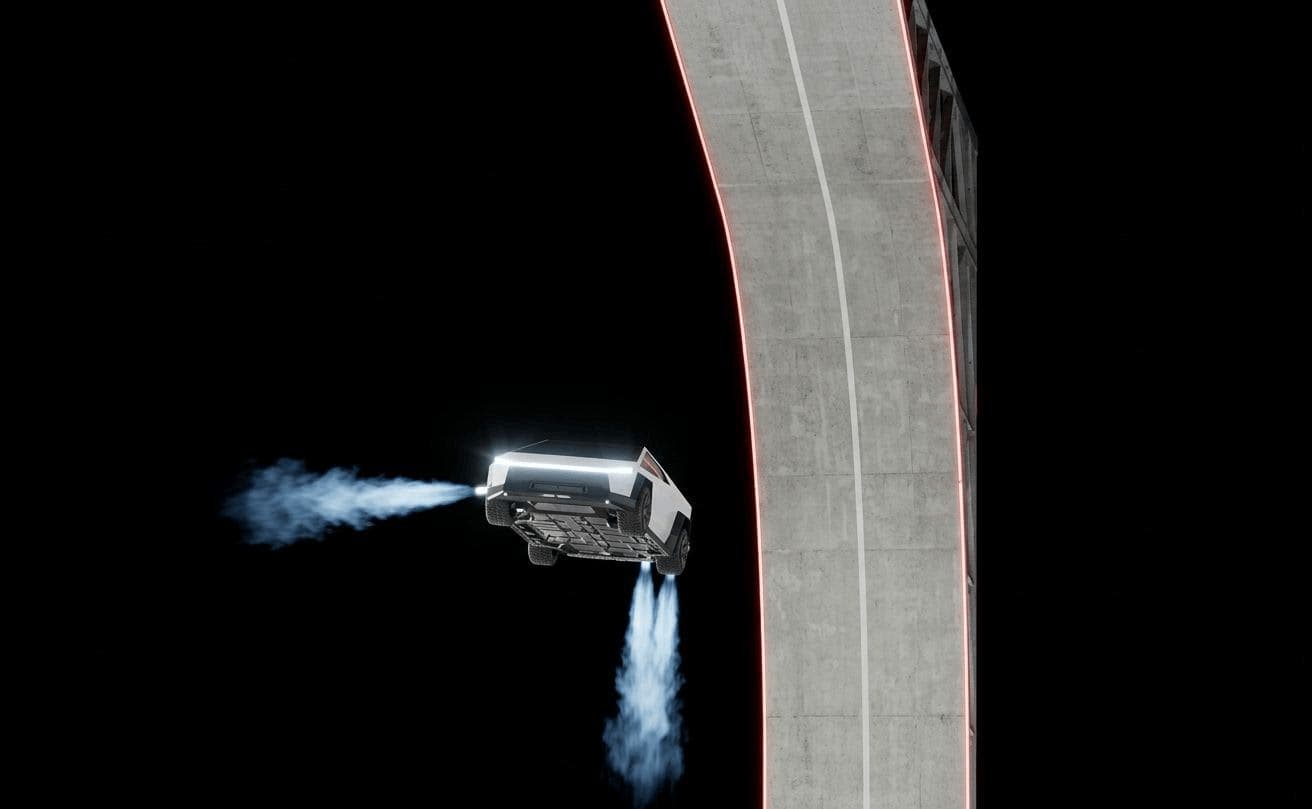
Tesla's next-generation Roadster brings together electric performance and technology inspired by rocket systems. During its October 2026 demonstration, the car used cold-gas thrusters and a suction system to perform manoeuvres that went beyond those of a conventional sports car.
The demonstration showed the Roadster lifting off a ramp, rotating in the air and landing back on the ground. Tesla also presented acceleration performance of less than one second from 0 to 60 mph. However, the vehicle's final production specifications and real-world capabilities remain important questions as the company targets production in 2028.
How Tesla's Roadster Uses Cold-Gas Thrusters
Cold-gas thrusters are devices that produce force by releasing pressurised gas through specially directed nozzles. Unlike conventional rocket engines, they do not burn fuel inside the thruster to create their thrust.
On the Roadster, the system is designed to supplement the car's electric propulsion. The rear nozzles direct escaping gas backwards, producing a forward reaction force. This can provide additional acceleration beyond the force generated by the electric motors and tyres.
The system also includes thrusters positioned in different directions on the Rocket configuration. These can direct force downwards or sideways, helping the vehicle perform its demonstrated lifting and turning manoeuvres.
Inside the Compressed-Gas Tank and Nozzles
The thruster system begins with a high-pressure storage vessel known as a composite-overwrapped pressure vessel, or COPV. It uses a strong composite outer structure to contain gas under high pressure while keeping the vessel relatively lightweight.
The stored gas travels through pipes and valves before reaching the thruster nozzles. The valves regulate gas release, while the nozzles direct the escaping gas to generate force.
The Thrust configuration has four rear thruster nozzles. Technical reporting has described a storage vessel of approximately 200 litres for this setup, although the final production specifications have not been fully established.
The pressure inside the vessel is an important factor because higher pressure can help deliver greater thrust. However, the precise operating pressure and performance of the production system should not be treated as confirmed specifications unless Tesla formally establishes them.
How the Thrusters Generate Force
The principle behind cold-gas propulsion is Newton's third law of motion: every action produces an equal and opposite reaction.
When pressurised gas exits a nozzle backwards, it produces a forward force on the vehicle. The amount of force depends on factors such as gas pressure, nozzle design and the rate at which gas escapes.
This force differs from the propulsion produced by an electric motor. Electric motors turn the wheels, allowing the tyres to push against the road. Thrusters instead generate force by expelling stored gas.
The system also requires careful control. If the gas flow differs between the left and right sides, the vehicle could experience an unintended turning force. Equalised flow paths and controlled valves are therefore important for predictable operation.
Cold-gas thrusters have a limited supply of stored gas. Their contribution depends on how much gas is available and how quickly the system releases it. They are not a replacement for the Roadster's electric motors during ordinary driving.
Thrust Version vs. Rocket Version
Tesla has presented different configurations of the Roadster with different thruster capabilities.
The Thrust version uses four rear-facing nozzles. Their primary purpose is to provide additional forward force, supporting the car's acceleration performance.
The Rocket version adds six more nozzles, bringing the reported total to ten. Four additional nozzles point downwards, while two near the front point sideways. This arrangement is designed to produce more varied forces for lifting and directional manoeuvres.
The Rocket configuration has also been associated with an additional gas-storage vessel. Technical reporting has described a total capacity of approximately 600 litres for this expanded setup. That figure should not be confused with the reported capacity of the smaller configuration.
These systems make the Roadster different from a typical electric sports car. However, their practical performance will depend on the final hardware, control systems, available gas and safety requirements.
How the Suction System Works
Cold-gas thrusters are not the only technology involved in the Roadster's demonstration. The car also uses a fan-based suction system designed to generate downward force.
The system uses fans to create a pressure difference beneath the vehicle. This produces suction that presses the car towards the surface, increasing the force holding it against the ramp.
During the demonstration, this system helped the Roadster travel up a curved structure and remain attached while inverted. That is different from the function of the thrusters: suction helps hold the car against a surface, while the thrusters generate force by releasing pressurised gas.
Combining the two systems allows the vehicle to demonstrate manoeuvres that would be difficult or impossible for a conventional road car.
What the Demonstration Revealed About Performance
Tesla's demonstration included acceleration from 0 to 60 mph in less than one second. The company has also presented the Roadster as a high-speed electric sports car with additional capabilities from its thruster technology.
The reported acceleration figure is an important performance claim, but a demonstration alone does not establish how the production vehicle will perform under every condition. Factors such as tyre grip, road surface, vehicle weight and the duration of the thruster output can affect results.
The same distinction applies to the vehicle's airborne manoeuvres. The demonstration showed that the system could produce brief lifting and directional movements under the conditions presented. It does not establish that the Roadster can fly like an aircraft or sustain ordinary flight.
Further technical information and production testing will be needed to establish the system's final capabilities, operating limits and practical use.
Tesla's 2028 Production Plans
Tesla first announced the next-generation Roadster in 2017, with production originally expected much earlier. The programme subsequently faced repeated delays.
In October 2026, Tesla presented the redesigned vehicle and identified 2028 as its production target. The latest demonstration gave a clearer view of the proposed thruster system, suction technology and performance ambitions.
However, a production target is not the same as a confirmed delivery date. The final specifications, pricing, availability and road-use requirements will determine what customers eventually receive.
The company will also need to establish how the high-pressure gas system and fan-based suction technology will operate safely in a production vehicle.
What Remains Unconfirmed?
The Roadster demonstration revealed more about Tesla's approach to combining electric propulsion with aerospace-inspired technology, but several questions remain.
The final production specifications of the thruster system, including its pressure, operating duration and performance under different conditions, need to be established. The practical limits of the suction system and the circumstances in which the vehicle can perform its demonstrated manoeuvres also remain important.
The production schedule, final pricing and availability will determine when customers can experience the vehicle for themselves.