Antimicrobial resistance is Rising worldwide, threatening effective treatments
Drug-resistant infections are making common diseases harder to treat, with WHO warning that antimicrobial resistance is becoming a growing global health threat
What Is Antimicrobial Resistance?
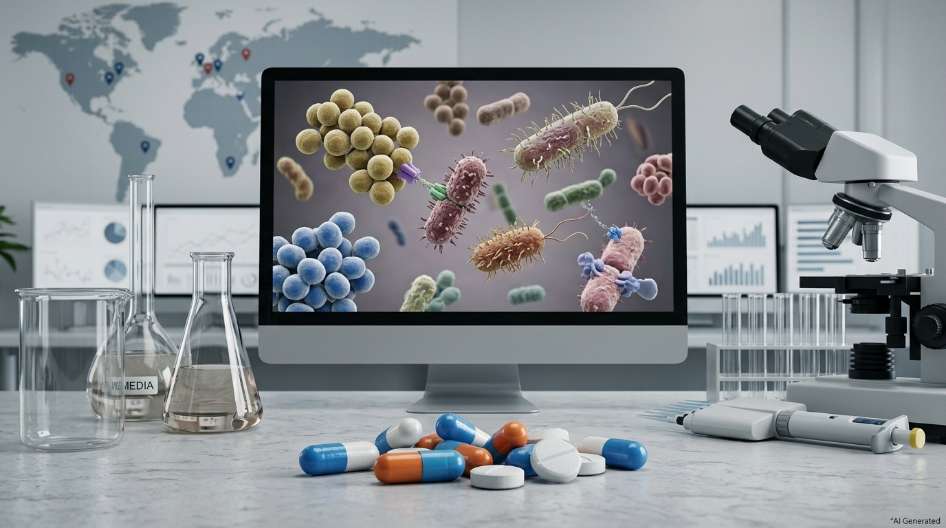
Antimicrobial resistance (AMR) occurs when bacteria, viruses, fungi and parasites become resistant to the medicines used to treat infections. This can make infections harder or, in some cases, impossible to treat, increasing the risk of severe illness, complications and death.
Why Antimicrobial Resistance Is Growing
The misuse and overuse of antimicrobial medicines, particularly antibiotics, is one of the main drivers of antimicrobial resistance. Taking antibiotics when they are not needed, using the wrong type of medicine or using them incorrectly can give resistant bacteria an opportunity to survive and spread.
Antibiotics are also sometimes used for viral infections, even though they do not work against viruses. Poor hygiene, inadequate sanitation and weak infection-control practices can further allow resistant microorganisms to spread between people.
How AMR Affects People
AMR can make infections harder to treat because some medicines may no longer work. This can increase the risk of complications and make treatments such as surgery more risky.
It can also increase hospital stays and healthcare costs because patients may need more tests, intensive care, or different antibiotics.
AMR also affects society by reducing productivity and putting vulnerable people at greater risk. Drug-resistant infections in animals can also affect farming and food production.
The Global Scale of the Problem
According to the WHO, Access antibiotics, which are recommended as first-choice treatments for common infections, account for only about 53% of global antibiotic use. Around 45% comes from Watch antibiotics, which have a higher risk of resistance. This is below the global target of having at least 70% of antibiotic use come from the Access group by 2030.
Why Antibiotics Are Losing Their Effectiveness
When bacteria are exposed to antibiotics, some may survive because they have resistance. These bacteria can multiply and pass their resistance to new bacteria. Over time, this can make antibiotics less effective and infections harder to treat.
Why Awareness Matters
Awareness about AMR can help people understand when antibiotics are needed and when they are not. Using antibiotics responsibly can reduce the spread of resistant bacteria and help keep these medicines effective for the future.
What People Can Do
People can help slow AMR by using antibiotics responsibly. Antibiotics should not be used without medical advice or for viral infections such as colds and flu. When antibiotics are prescribed, they should be taken exactly as directed. Good hygiene and staying up to date with vaccinations can also help prevent infections and reduce the need for antibiotics.