Does eating after dinner cause fatty liver disease? what the latest research says
A new study links eating after dinner or before bed with a higher risk of fatty liver disease and cirrhosis.
Many people eat dinner late because of work, family responsibilities, or simply feeling hungry before bed. But a new study suggests that when you eat may matter for liver health not just what you eat.
Researchers found that adults who reported eating after dinner or after bedtime had a higher risk of two liver conditions: metabolic dysfunction-associated steatotic liver disease (MASLD), commonly known as fatty liver disease, and cirrhosis. The study does not prove that late-night eating directly causes liver disease, but it adds to growing interest in how meal timing affects metabolism.
What the study found
The research, published in Clinical Gastroenterology and Hepatology, analyzed data from 199,155 adults taking part in three long-running U.S. health studies: the Nurses’ Health Study, Nurses’ Health Study II, and the Health Professionals Follow-up Study.
Researchers followed participants for a median of 16 years. During that time, they recorded 4,477 cases of MASLD and 312 cases of cirrhosis.
People who reported late-night eating had a higher risk of both conditions than those who did not. The researchers adjusted for several factors that could influence liver health, including body mass index, total calorie intake, diabetes, alcohol use, physical activity, and overall diet quality.
Still, the percentages describe a relative increase in risk, not the share of people who developed liver disease. In other words, the study does not mean that everyone who eats late will develop MASLD or cirrhosis.
What counts as late-night eating?
In this study, late-night eating meant eating after dinner or after bedtime. That could include a late snack, a meal eaten very late in the evening, or food consumed after going to bed.
The researchers did not identify one exact “danger time,” such as 8 p.m. or 10 p.m. Instead, they looked at whether people generally ate outside their usual evening meal or during the night.
Why meal timing may matter
The human body follows a roughly 24-hour internal schedule called the circadian rhythm. This system influences sleep, wakefulness, hormone release, digestion, and how the body processes energy.
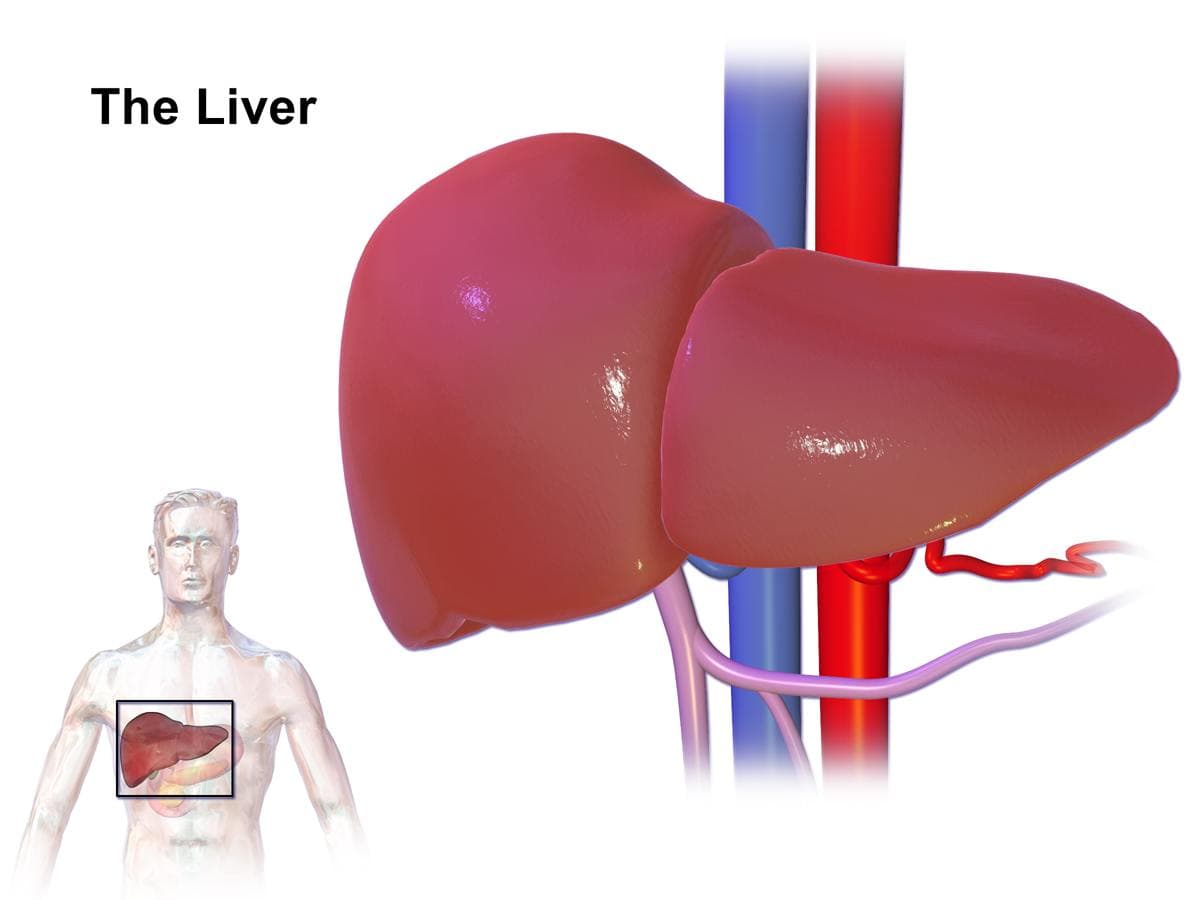
The liver plays a central role in metabolism. It helps store energy, process nutrients, regulate blood sugar, and manage fats. Because many of these processes follow daily rhythms, researchers are interested in whether eating at unusual times—especially during the body’s biological nighttime—may affect liver health.
Eating late may create a mismatch between food intake and the sleep-wake cycle. However, this new study did not directly test why late-night eating was linked to liver disease. The biological explanation remains an area for further research, not a proven cause.
MASLD and cirrhosis
MASLD occurs when excess fat builds up in the liver. It is associated with metabolic risk factors such as obesity, insulin resistance, type 2 diabetes, and high blood fats. The condition was previously known as non-alcoholic fatty liver disease, or NAFLD.
Many people with MASLD do not develop serious liver damage. However, in some cases, fat buildup can lead to inflammation, scarring, and more advanced liver disease.
Cirrhosis is a more serious condition involving extensive scarring of the liver. Over time, this scarring can interfere with normal liver function. Cirrhosis can develop from several different liver diseases, not only fatty liver disease.
What the study could not prove
This was an observational study. Researchers observed people’s habits over time; they did not randomly assign some participants to eat late and others to eat earlier.
That means the study can show an association, but it cannot prove cause and effect. It is possible that late-night eaters differ from non-late-night eaters in other ways that were not fully measured.
Dietary information was also self-reported. People may not remember exactly when they ate, how much they ate, or how often they snacked after dinner. These limitations mean the findings should be interpreted carefully.
What this may mean for you
The study does not suggest that one late snack will damage your liver. But it does suggest that regular late-night eating may be worth paying attention to, especially for people already at higher risk of metabolic problems.
If you often eat late because of hunger, irregular work hours, or poor meal planning, it may help to focus on a consistent eating routine when possible. Choosing balanced meals earlier in the evening, avoiding unnecessary bedtime snacking, and maintaining a healthy lifestyle may support overall metabolic health.
That said, changing dinner time alone is not a proven way to prevent fatty liver disease or cirrhosis. Overall diet quality, physical activity, weight management, alcohol intake, sleep, and conditions such as diabetes remain important factors for liver health.
Anyone concerned about fatty liver disease, cirrhosis, or unexplained symptoms such as persistent fatigue or abdominal discomfort should speak with a healthcare professional.
Frequently asked questions
Does eating late at night cause fatty liver disease?
Not necessarily. The study found an association between late-night eating and higher risk of MASLD, but it did not prove that eating late directly causes the condition.
What is MASLD?
MASLD stands for metabolic dysfunction-associated steatotic liver disease. It is the current name for what was previously called non-alcoholic fatty liver disease.
Is cirrhosis the same as fatty liver disease?
No. Fatty liver disease involves excess fat in the liver. Cirrhosis is advanced scarring of the liver and can develop from several liver conditions.
Should I stop eating after a certain time?
The study did not establish a specific cutoff time. If you regularly eat late because of hunger or an irregular schedule, it may be worth discussing healthy eating patterns with a doctor or registered dietitian.
Can eating dinner earlier improve liver health?
Researchers are studying this question, but there is not yet enough evidence to say that earlier meals will prevent MASLD or cirrhosis.