Trump waives new russia sanctions ahead of october 18 deadline
The US president cites national interests for suspending measures targeting Russian energy exports, drawing criticism from Ukrainian officials and US lawmakers.
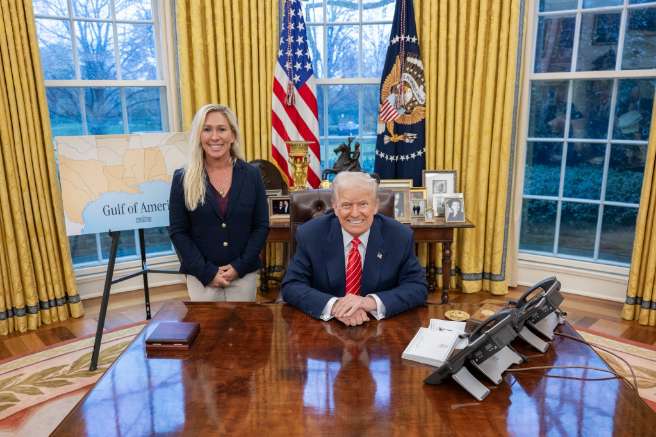
US President Donald Trump has waived key sanctions and tariffs targeting Russia just days before they were due to take effect under a law he signed in September. In an executive order issued on Friday, October 16, Trump said the decision was in the national interest of the United States.
The move pauses measures intended to increase economic pressure on Moscow over its war against Ukraine, including potential tariffs on countries purchasing Russian oil and gas.
Why Trump Paused the Sanctions
The legislation, backed by the late US Senator Lindsey Graham, authorized tariffs of up to 100% on imports from major purchasers of Russian oil and gas, alongside sanctions targeting Russian officials, financial institutions and vessels used to transport Russian energy.
However, the law allowed Trump to waive the measures by notifying Congress that their implementation was not in the national interest.
The decision comes as the United States faces rising energy costs and prepares for congressional midterm elections next month. China and India, two major buyers of Russian oil, had also raised concerns about the legislation's potential impact.
Ukraine Criticizes the Decision
Ukrainian President Volodymyr Zelenskyy criticized the suspension, arguing that the sanctions could have increased pressure on Russia to end the war.
The decision follows a separate agreement involving Russian diesel supplies intended to ease global energy prices. Ukrainian officials have warned that revenue from Russian energy exports could help finance Moscow's war effort.
Relations between Trump and Zelenskyy have also become increasingly strained over disagreements concerning Russia, energy infrastructure and military support for Ukraine.
Russia Welcomes the Waiver
Kirill Dmitriev, a Russian presidential envoy, welcomed Trump's decision, calling it “an important and truly historic moment.”
The waiver has also drawn criticism from US lawmakers. Democratic Representative Don Beyer accused Trump of weakening congressional efforts to pressure Moscow, saying the decision “again betrays our Ukrainian partners.”
The sanctions law had received bipartisan support in Congress, making Trump's decision to suspend its key provisions a point of political disagreement in Washington.
What Happens Next?
The waiver will remain in effect until Trump or senior administration officials determine that further action is appropriate, according to the executive order.
The decision leaves uncertainty over whether the United States will impose the sanctions later or continue to suspend them. It also highlights the competing pressures facing Washington as it weighs relations with Moscow, support for Ukraine and the economic effects of energy prices.
For Ukraine, the immediate concern is whether reduced economic pressure will affect Russia's ability to sustain its war. For the United States, the decision places foreign policy and energy costs at the center of an increasingly contentious political debate.